Notice Period Buyout in the UAE: Payment in Lieu of Notice Explained (2026 Guide)
Notice period buyout is the price of leaving early. You do not serve the notice days, you pay for them instead. One formula decides the amount: your monthly gross salary divided by 30, multiplied by the days you do not serve. Everything else on this page is about getting the base right, knowing who owes whom, and avoiding the mistakes that turn a clean exit into a settlement fight.
Calculate your buyout and last working day hereOn this page
- The one-sentence answer
- What payment in lieu of notice actually is
- The base is Wage, not basic salary
- Worked example: AED 15,000, 30-day notice
- Buyout cost by days unserved
- Serve, buy out, or get it waived
- The job-search day most guides miss
- When the employer skips notice
- What the employer cannot do
- How buyout sits in your final settlement
- What the other guides get wrong
- Frequently asked questions
If you read nothing else, read this
- Buyout = (monthly gross salary / 30) x unserved notice days. Article 43(3).
- The base is Wage: basic salary plus allowances. A basic-only buyout understates what you owe or what you are owed.
- The rule runs both ways. The party that skips notice pays the other side.
- Waiver must come from the employer in writing. Verbal promises do not hold.
- Buyout is settled with the rest of your final dues within 14 days of the contract ending (Article 53).
How This Guide Was Checked
Primary sources first. Every rule here was verified against the English text of Federal Decree-Law No. 33 of 2021 (Article 1 definitions, Article 43 notice, Article 53 payment deadline, Article 67 thirty-day month), plus MOHRE guidance.
Competitors second. We then read the highest-ranking buyout guides on Google UAE: James Berry and Associates, Teamed, and others. Each gets part of the answer right, and each leaves a gap. Those gaps are flagged inline below.
Worked examples third. All dirham figures use one consistent example (gross salary AED 15,000, 30-day notice) so you can follow the arithmetic from start to finish without switching numbers mid-page.
The One-Sentence Answer
Payment in lieu of notice is compensation equal to the Wage for the notice days that were not served, paid by whichever side skipped them. If you resign and leave 15 days early on a AED 15,000 gross salary, you owe AED 7,500. If your employer ends your contract at once on a 60-day notice term, they owe you AED 30,000. Same formula, opposite direction.
What Payment in Lieu of Notice Actually Is
Article 43(3) of Federal Decree-Law No. 33 of 2021 sets the rule: the party that fails to observe the notice period pays the other party compensation equal to the Wage for the entire notice period, or for the remainder of it. Two points in that sentence do real work.
First, the compensation is for the remainder. You are not charged for the whole notice period if you served part of it. Serve 10 days of a 30-day notice and leave, and you pay for 20 days, not 30.
Second, the rule binds both sides. It is not an employee penalty. An employer who tells you not to come back tomorrow owes you the same daily rate for every unserved day. Many guides present buyout as something employees pay employers. That is half the rule.
Notice itself runs 30 to 90 days as agreed in the contract (Article 43(1)). Below 30, the statutory minimum overrides the contract. Above 90, the clause is unenforceable. The buyout formula does not change with the length of the term; only the number of days does.
The Base Is Wage, Not Basic Salary
This is where most buyout calculations go wrong. Article 1 defines Wage as basic wage plus allowances and benefits in kind. Article 43(2) entitles the worker to full Wage during the notice period. Article 43(4) prices compensation on the latest Wage. Put together, the buyout base is your full gross salary, not your basic salary.
Buyout = Daily rate x unserved notice days
Article 67 treats every month as 30 days for this calculation. Article 43(4) says use the latest Wage, so a pay rise during notice raises the daily rate.
On a AED 15,000 package made of AED 9,000 basic plus AED 4,000 housing plus AED 2,000 transport, the daily rate is AED 500. A basic-only calculation would give AED 300 a day and understate a 15-day buyout by AED 3,000. That gap is the most common and most expensive error in this area.
The same base applies in the other direction. If your employer skips your notice, they owe you Wage for the unserved days, allowances included, at your latest rate.
Worked Example: AED 15,000, 30-Day Notice
One employee, one pay packet, four exits. Monthly gross salary AED 15,000. Notice term 30 days. Daily rate 15,000 / 30 = AED 500.
| Exit | Days served | Days bought out | Buyout |
|---|---|---|---|
| Serve the full notice | 30 | 0 | AED 0 |
| Leave 15 days early | 15 | 15 | AED 7,500 |
| Leave 20 days early | 10 | 20 | AED 10,000 |
| Leave at once, no notice served | 0 | 30 | AED 15,000 |
Check the arithmetic: 500 x 15 = 7,500. 500 x 20 = 10,000. 500 x 30 = 15,000, which is one full month of Wage. A full buyout always equals one month of Wage on a 30-day term, because the divisor is 30.
Now the employer side. Same employee, but the contract term is 60 days and the employer ends the contract at once. The employer owes 60 x 500 = AED 30,000. The formula is identical. Only the direction and the day count change.
Two details matter in practice. First, use the latest Wage. If your salary rose to AED 16,000 a month before you resigned, the daily rate is 16,000 / 30 = AED 533.33, and a 15-day buyout is AED 8,000, not AED 7,500. Second, partial service counts. Every day you actually work during notice reduces the buyout by one daily rate.
Buyout Cost by Days Unserved
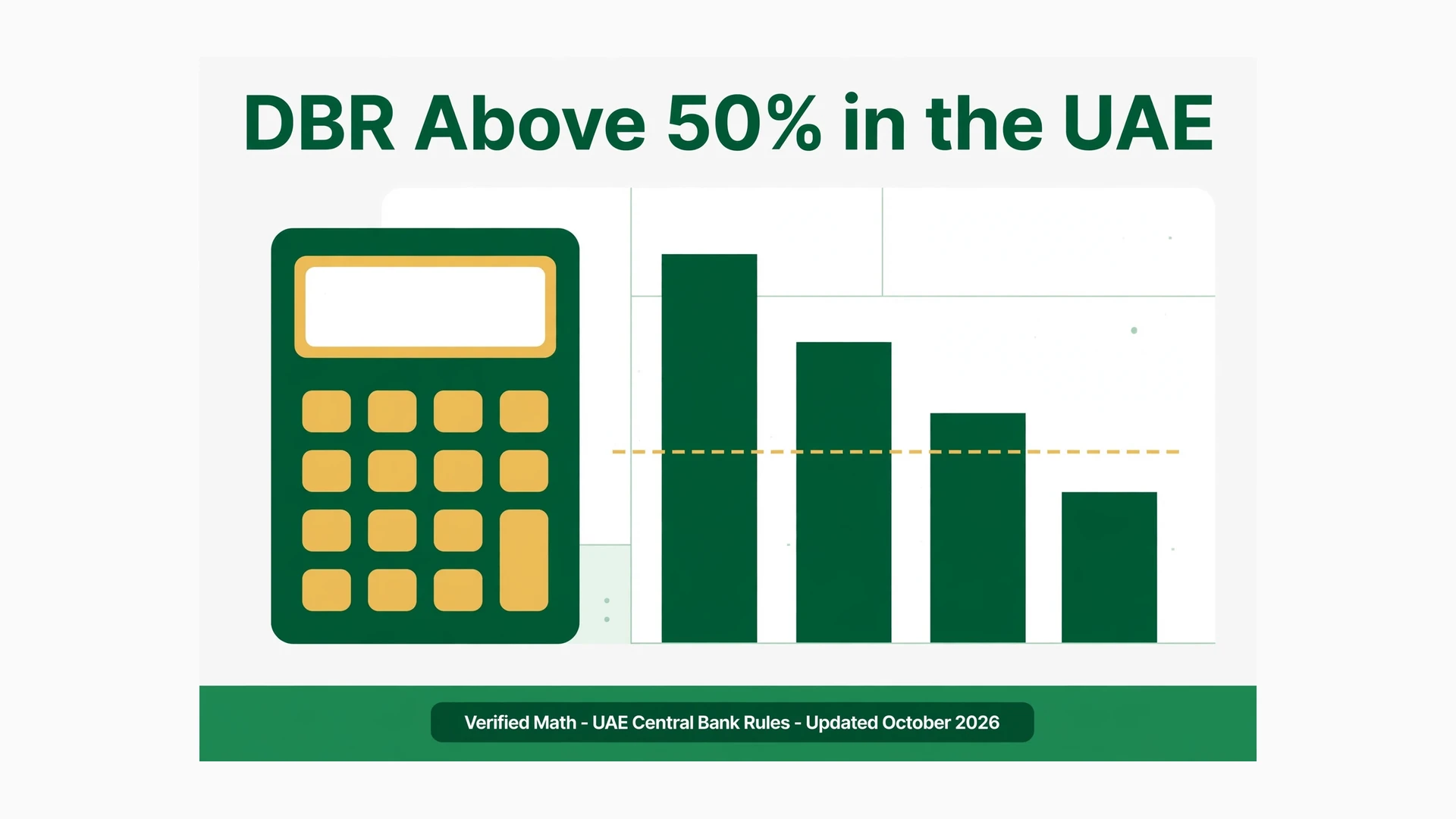
The relationship is a straight line: every unserved day costs one daily rate. There is no discount for buying out more days and no penalty rate for buying out few.
Read the chart as a negotiation tool. Each week of notice you serve saves you 7 x 500 = AED 3,500. Each week you skip costs the same. When a new employer offers a joining bonus or an early start, compare it against this line before you decide how many days to buy out.
Serve, Buy Out, or Get It Waived
Every exit is one of three paths. The money outcome differs sharply between them, so name the path before you argue about the amount.
| Path | What happens | What you pay | What you earn |
|---|---|---|---|
| Serve | You work the full notice period | AED 0 | Full Wage for the whole period (Article 43(2)) |
| Buy out | You leave early and pay for the unserved days | Daily rate x unserved days | Full Wage for the days you actually worked |
| Waived | The employer releases you from notice in writing | AED 0 | Wage up to your last working day |
Waiver is the path people mishandle. An employer can waive the notice period entirely, which means you leave at once with no buyout. But the waiver must come from the employer, and it must be in writing. A verbal “just go” from a line manager is not a waiver. If the employer later claims you left without notice, a written waiver is your defence. Ask for it in the resignation acceptance letter or a short email, and keep a copy.
Garden leave is a fourth shape, and it is contractual, not statutory. The employer pays your full Wage through the notice period but requires you not to start a new job until the notice ends. It usually appears with a non-compete clause. From the money side, garden leave is the same as serving: full Wage, no buyout. From the freedom side, it is the opposite: you cannot start the new role early. If garden leave is in your contract, read the restriction clause before you accept a start date elsewhere.
The Job-Search Day Most Guides Miss
Article 43(5) gives the worker one unpaid day off per week during the notice period to look for another job, provided the worker gives 3 days of prior notice for each day. Three points make this worth knowing.
First, the day is without pay. It is time off, not extra money. If you take it, your Wage for that week drops by one daily rate.
Second, it is the worker’s right, not the employer’s gift. The employer cannot refuse it outright, though the 3-day notice requirement lets them plan around it.
Third, it interacts with buyout. If you buy out your notice, you do not also claim job-search days for the bought-out period, because you are not serving notice during those days. The job-search day applies to days you actually serve.
On a 30-day notice with 4 job-search days taken, the cost is 4 x 500 = AED 2,000 of unpaid time on the AED 15,000 example. Weigh that against the value of the interviews before you use all four.
When the Employer Skips Notice
The employer side of Article 43(3) is the part most guides skip. If the employer ends the contract at once, without asking you to serve notice, they owe you Wage for the full notice period. On a 60-day term at AED 500 a day, that is AED 30,000. On a 90-day term, it is AED 45,000.
This is separate from gratuity, leave encashment, and any other end-of-service dues. It is its own line in the final settlement. Check the settlement statement for it. If the employer lists only gratuity and leave, the notice line is missing.
The employer cannot force you to keep working instead of paying. The law gives the employer a choice: keep you on through the notice period at full Wage, or release you and pay the compensation. It does not give them your labour against your will. Forced labour is prohibited under Article 14.
One exception applies. If the employer dismisses you for gross misconduct under Article 44, no notice period and no payment in lieu are required. But the misconduct must be proven, the dismissal must follow the Article 44 procedure, and your gratuity is still due. Dismissal for cause removes notice pay, not end-of-service benefits.
What the Employer Cannot Do
MYTH
If you leave without serving notice, the employer can have you banned from working in the UAE for a year.
FACT (current law)
The one-year work-permit ban applies only to two narrow cases: leaving the State during probation in breach of Article 9 (Article 9(6)), and unlawful absence before the contract ends (Article 50). Leaving without notice after probation is a breach with a money remedy: compensation equal to the Wage for the unserved days.
MYTH
The employer can deduct whatever it likes from your settlement to cover the buyout.
FACT (current law)
Deductions from wages are limited by Article 25, and the buyout is capped at the Wage for the unserved days. The employer cannot add admin fees, penalties, or training clawbacks on top unless a separate lawful basis exists. Get an itemised settlement statement and check each line.
MYTH
Buyout is calculated on basic salary only.
FACT (current law)
Buyout is calculated on Wage: basic plus allowances, at the latest rate (Articles 1, 43(4)). A basic-only buyout understates the amount by the full allowance value.
A further limit applies to the contract itself. A clause that sets notice below 30 days is overridden by the statutory minimum. A clause that sets it above 90 days is unenforceable. Only the 30 to 90 day band has legal force (Article 43(1)).
How Buyout Sits in Your Final Settlement
Buyout is one line of the final settlement, not the whole of it. A complete settlement usually has five money lines: end-of-service gratuity (basic wage basis), unused leave encashment (basic wage basis), notice pay or buyout (full Wage basis), any unpaid salary, and repatriation where due. The bases differ, so do not net them into one number without seeing each line.
The usual mechanics: if you owe a buyout, the employer deducts it from your settlement. If the employer owes you notice pay, it is added. Either way, the whole settlement, including gratuity, leave, and notice amounts, must be paid within 14 days of the contract ending (Article 53). A delay on one line is a delay on the whole settlement.
Check three things before you sign the settlement. First, that the buyout uses gross salary divided by 30, not basic. Second, that the day count matches the days you actually did not serve. Third, that the gratuity and leave lines are calculated on basic wage, which is correct for those two lines, and not confused with the Wage basis of the buyout line. Mixing the bases is the most common settlement error after the basic-only buyout itself.
Our gratuity calculator runs the gratuity line, and our leave encashment calculator runs the leave line. The notice period calculator runs the buyout and the last working day.
What the Other Guides Get Wrong
We read the three strongest buyout guides on Google UAE. Each gets part of the answer right, and each leaves a gap. Those gaps are flagged below.
James Berry and Associates gets the waiver right and the citations wrong. Its core advice is sound: serve the notice, pay compensation, or get a written waiver. But it cites “Article 117” for the 30-day minimum, which is the article number from the repealed 1980 labour law. Under the current law, notice is Article 43. It also claims an employee who leaves without serving notice “can be banned from working in the UAE for up to one year” on the employer’s complaint. That general ban does not exist under the current law; the one-year work-permit ban applies only to the two narrow cases in Article 9(6) and Article 50. And it claims a limited-contract employee “cannot terminate the contract with or without notice before the end of the contract term”, which is wrong under Federal Decree-Law No. 33 of 2021: the limited and unlimited distinction is abolished and Article 43 applies to every contract.
Teamed gets the process right and the base wrong. Its termination checklist is thorough and its 14-day settlement deadline is correct. But it states “full basic salary is payable throughout the notice period”. Article 43(2) entitles the worker to full Wage, which is basic plus allowances, not basic only. On a AED 15,000 package with AED 6,000 of allowances, that error understates notice pay by AED 6,000 for a full month. Teamed also frames payment in lieu as “permitted by mutual agreement”. Article 43(3) imposes the compensation by operation of law on the party that fails to serve; mutual agreement is not what creates the duty. And it states that Article 44 dismissal is “without notice or gratuity”. Dismissal for cause removes notice pay, but gratuity is preserved on termination under the law. Those three errors all run in the employer’s favour.
Most calculator pages skip the job-search day. The tool pages that rank for buyout queries show the formula and stop. None we read mentions Article 43(5) or prices the unpaid job-search day. If you are serving notice and hunting for a role, that day is part of your real cost.
Which Path Fits Your Situation
| Your situation | Best path | Why |
|---|---|---|
| New job starts after your notice ends | Serve | AED 0 buyout, full Wage, clean reference |
| New job starts 2 weeks before your notice ends | Buy out the overlap | Pay only for the days you actually skip |
| Employer wants you out at once | Accept payment in lieu | They owe Wage for the full unserved period |
| Employer offers to waive notice | Get it in writing, then leave | AED 0 buyout, but only the written waiver protects you |
| You were dismissed for alleged misconduct | Challenge it if the procedure was skipped | Article 44 needs proof and procedure; gratuity survives either way |
| You are on probation | Check the probation rules, not this page | Probation notice is 14 days or 1 month depending on destination (Article 9) |
Before You Sign Anything
- Confirm your notice term in the contract: 30 to 90 days, or 30 by default if it is silent.
- Confirm your latest gross salary, allowances included. That is the buyout base.
- Count the days you will actually serve, and subtract from the term to get the unserved days.
- Multiply: (gross salary / 30) x unserved days. Check the arithmetic yourself.
- Get any waiver in writing before your last day.
- Check the settlement statement line by line: gratuity on basic, leave on basic, buyout on Wage.
- Confirm the whole settlement is paid within 14 days of the contract ending.
- Keep copies of your resignation, the acceptance, and the settlement statement.
Seven Mistakes That Cost Money
- Paying on basic salary. The base is Wage, allowances included. A basic-only buyout underpays or overpays by the full allowance value.
- Paying for the whole term after partial service. You pay only for the remainder. Every day served cuts one daily rate off the bill.
- Trusting a verbal waiver. If the employer later denies it, you owe the buyout. Written waiver or nothing.
- Forgetting the latest-Wage rule. A pay rise during notice raises the daily rate. Use the latest salary, not the one from when you signed the contract.
- Confusing the bases in the settlement. Gratuity and leave use basic wage. Buyout uses Wage. Applying one base to every line misprices at least one of them.
- Ignoring the job-search day. Four unpaid days on a 30-day notice cost AED 2,000 on the AED 15,000 example. Budget for them if you use them.
- Accepting a ban threat at face value. The one-year work-permit ban does not apply to ordinary resignations. It covers probation departure in breach of Article 9 and unlawful absence under Article 50.
Frequently Asked Questions
How is notice period buyout calculated in the UAE?
Divide your monthly gross salary by 30 to get the daily rate, then multiply by the number of notice days you will not serve. On AED 15,000 gross with 15 unserved days: 15,000 / 30 = AED 500, and 500 x 15 = AED 7,500. The base is Wage (basic plus allowances) at your latest rate, per Articles 1, 43(3), 43(4) and 67.
Is buyout calculated on basic or gross salary?
Gross salary. The law uses Wage, which is basic wage plus allowances. A basic-only buyout understates the amount. On a AED 15,000 package with AED 9,000 basic, a 15-day buyout is AED 7,500 on Wage but only AED 4,500 on basic alone, a AED 3,000 gap.
Can my employer refuse my buyout and force me to serve?
No. The employer cannot force you to keep working. If you leave early, the remedy is compensation equal to the Wage for the unserved days (Article 43(3)), usually deducted from your final settlement. Forced labour is prohibited under Article 14.
Does the employer have to accept a buyout I offer?
The employer cannot keep you against your will, and the compensation in Article 43(3) is the remedy for unserved notice. In practice, tell the employer in writing how many days you will serve and that you will pay for the remainder, then pay it through the settlement.
What if my employer ends my contract at once?
They owe you Wage for the full unserved notice period. On a 60-day term at AED 500 a day, that is AED 30,000, on top of gratuity, leave encashment, and any unpaid salary. It is a separate line in the settlement, not part of gratuity.
Is a waived notice really free?
Yes, if the waiver is real. A written waiver from the employer releases you from the notice period with no buyout owed. A verbal promise is not enough. Get the waiver in the resignation acceptance letter or a short email before your last day.
Do I still get gratuity if I buy out my notice?
Yes. Gratuity is a separate entitlement under Article 51 and is not reduced because you bought out notice. The same applies if you are dismissed for cause under Article 44: notice pay is removed, but gratuity is preserved.
When must the buyout be settled?
With the rest of your final dues, within 14 days of the contract ending (Article 53). If you owe a buyout, it is usually deducted from your settlement. If the employer owes you notice pay, it is added. Check the settlement statement line by line before you sign.
Run your own numbers on the notice period calculator: enter your gross salary, your notice term, and the days you plan to buy out to get your exact buyout and last working day.
Buyout rules change during probation, so anyone still in their trial months should read our guide to the probation notice period in the UAE, and anyone weighing a walk-out instead can check resigning without notice in the UAE before deciding.
Sources
- MOHRE: Federal Decree-Law No. 33 of 2021, Articles 1 (definitions), 9 (probation), 14 (forced labour), 25 (deductions), 43 (notice period), 44 (dismissal without notice), 50 (unlawful absence), 51 (gratuity), 53 (payment deadline), 67 (thirty-day month)
- UAE Government Portal (u.ae): Terminating employment contracts
- Competitor guides read for comparison: James Berry and Associates, Notice Periods in UAE Employment Contracts (cites repealed-law Article 117); Teamed, UAE Termination and Severance 2026 (basic-salary notice pay, mutual-agreement framing, Article 44 gratuity claim)
- On this site: Notice Period Calculator · Gratuity Calculator · Leave Encashment Calculator
This guide covers mainland UAE under Federal Decree-Law No. 33 of 2021. DIFC and ADGM have their own employment laws. This guide is general information, not legal advice.